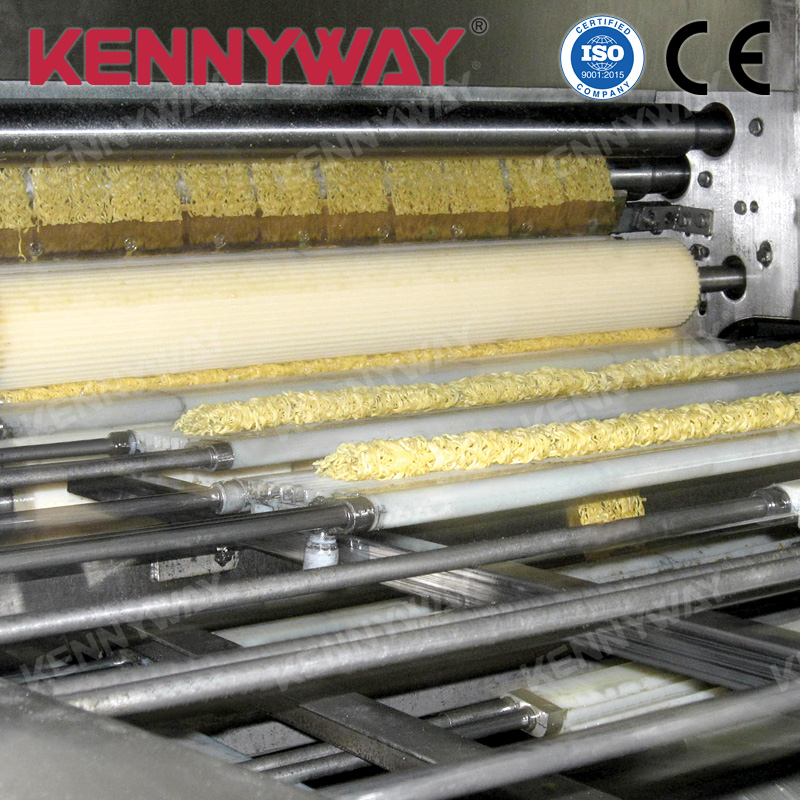
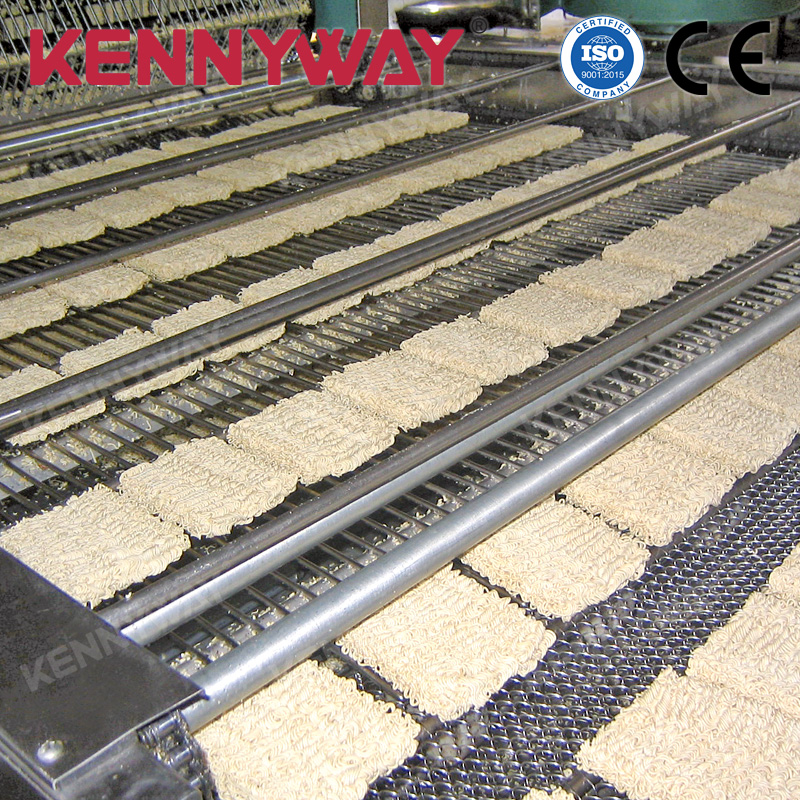
The global demand for rice-based foods continues to grow rapidly, especially across Southeast Asia, Europe, and North America. As rice noodles gain popularity for their gluten-free properties, versatility, and convenience, more food manufacturers are investing in a modern rice noodles production line to enter or expand in this competitive market.
However, one critical decision often determines whether this investment becomes highly profitable or unnecessarily costly: where you purchase your equipment.
Buying factory-direct—meaning directly from the manufacturer rather than through traders or intermediaries—can significantly influence your project’s cost, production stability, customization flexibility, and long-term return on investment. For businesses planning to build or upgrade a rice noodles production line, factory-direct purchasing is not just an option; it is a strategic advantage.

Understanding What a Complete Rice Noodles Production Line Includes
Before discussing purchasing strategies, it is important to understand what makes up a modern rice noodles production line. A complete system is far more than just a single machine—it is an integrated solution designed to ensure consistent texture, hygiene, and production efficiency.
Core Processing Equipment
A standard rice noodles production line typically includes:
Rice soaking and washing system
Rice grinding or milling machine
Slurry mixing and storage tanks
Steaming and gelatinization unit
Extrusion or sheet-forming machine
Cutting and shaping system
Cooling and drying equipment
Automatic packaging system
Each stage must work in perfect coordination. Even minor design inconsistencies can affect noodle texture, moisture balance, elasticity, and final product appearance.
Automation and Control Systems
Modern production lines also incorporate:
PLC control systems
Temperature and humidity monitoring
Conveyor systems for continuous processing
Integrated energy and steam management
When properly engineered, these systems reduce labor costs, improve production consistency, and minimize material waste.
Because the entire process is interconnected, the design and manufacturing expertise of the equipment supplier directly affects the overall performance of your rice noodles production line.
What Does “Factory-direct” Really Mean?
Factory-direct purchasing means working directly with the actual equipment manufacturer—without involving trading companies or third-party distributors.
Direct Communication with Engineers
When buying factory-direct, you communicate directly with engineers and technical teams who design and manufacture the machines. This eliminates misunderstandings and ensures your requirements are accurately translated into equipment specifications.
In contrast, traders often act as middlemen. They may not fully understand the mechanical structure, automation logic, or process optimization details of the equipment they sell.
Full Technical Authority
Manufacturers control:
This level of control allows for deeper technical discussions and more precise project planning—something intermediaries simply cannot provide.
Cost Advantages of Buying Factory-direct
One of the most obvious benefits of factory-direct purchasing is cost efficiency—but the advantages go far beyond the initial price.
Lower Equipment Purchase Cost
When you purchase through a distributor, additional margins are added to the original factory price. These markups can significantly increase your total investment.
By buying factory-direct, you:
This often results in a more competitive price for your rice noodles production line without compromising quality.
Better Return on Investment
Lower initial costs mean a shorter payback period. More importantly, factory-direct equipment is usually engineered with a clearer understanding of production processes, leading to:
These factors contribute to higher long-term profitability.
Reduced Maintenance Costs
Factory-direct suppliers provide original spare parts and accurate technical support. When problems arise, you receive guidance directly from the engineering team, reducing downtime and preventing costly misdiagnoses.
Over the lifespan of a rice noodles production line, maintenance savings can be substantial.
Customization: A Key Factor in Market Competitiveness
Rice noodles vary greatly depending on regional preferences, product positioning, and target markets. Thickness, width, elasticity, moisture content, and drying methods can differ significantly.
This is where factory-direct manufacturers offer unmatched advantages.
Product-Specific Design
A professional manufacturer can tailor your rice noodles production line according to:
Fresh rice noodles or dried rice noodles
Flat noodles, round noodles, or vermicelli
Local taste preferences
Packaging requirements
Because the design team understands the internal structure of every machine, they can adjust forming molds, drying parameters, and cutting systems to meet precise product goals.
Capacity Flexibility
Market demand may change over time. A factory-direct supplier can design your production line with:
Modular expansion capability
Adjustable output configurations
Future automation upgrade options
This flexibility ensures your equipment investment remains valuable for years to come.
Technology and Engineering Expertise You Cannot Get from Traders
In food processing, small technical differences can produce major quality variations. Steam control precision, extrusion pressure stability, and drying curve accuracy all impact the final noodle texture.
Access to R&D and Process Optimization
Factory-direct manufacturers typically maintain dedicated research and development teams. These engineers continuously improve:
When you work directly with such a manufacturer, you gain access not only to equipment—but to technical expertise that enhances your entire production process.
Precision Manufacturing Standards
Experienced manufacturers implement strict quality control throughout production, including:
High-grade stainless steel fabrication
Precision welding
Structural durability testing
Electrical safety verification
This ensures your rice noodles production line operates reliably under continuous industrial conditions.

Quality Control and Production Stability
For any food manufacturer, consistency is everything. Consumers expect uniform texture, taste, and appearance every time they purchase rice noodles. A poorly engineered production line can lead to uneven thickness, unstable moisture content, breakage during drying, or inconsistent cooking performance.
Buying factory-direct significantly reduces these risks.
Strict Manufacturing Standards
Professional manufacturers implement comprehensive quality control systems covering:
Raw material inspection
Stainless steel grade verification
Welding and structural integrity testing
Electrical component safety checks
Pre-delivery trial running
Because the manufacturer oversees every stage of production, they can guarantee the mechanical accuracy and operational stability of your rice noodles production line.
Stable and Continuous Operation
A well-designed production line ensures:
Uniform gelatinization during steaming
Stable extrusion pressure
Controlled drying temperature and humidity
Smooth material conveying
These factors minimize product defects and reduce unplanned downtime, helping your factory maintain stable daily output.
After-sales Service and Technical Support
Investing in a rice noodles production line is not a one-time transaction—it is a long-term operational partnership. The level of after-sales support you receive directly impacts production continuity and profitability.
Installation and Commissioning Support
Factory-direct suppliers typically provide:
On-site installation guidance or remote technical support
Trial production assistance
Parameter adjustment for optimal noodle quality
Since the manufacturer designed the equipment, their engineers understand every mechanical and electrical detail, allowing faster and more accurate commissioning.
Operator Training
Proper training improves efficiency and reduces operational errors. Manufacturers can provide:
Equipment operation training
Routine maintenance guidance
Troubleshooting procedures
Production optimization recommendations
This ensures your team can fully utilize the performance capabilities of the rice noodles production line.
Reliable Spare Parts Supply
Working directly with the factory guarantees access to original spare parts. This reduces waiting time, avoids compatibility issues, and ensures long-term operational stability.
Building a Long-term Strategic Partnership
Factory-direct purchasing often leads to a long-term collaboration rather than a simple equipment sale.
Support for Business Expansion
As your business grows, you may want to:
Increase production capacity
Introduce new noodle varieties
Upgrade automation systems
Expand into related rice-based products
A direct manufacturing partner can help redesign or expand your existing rice noodles production line efficiently, without starting from scratch.
Continuous Improvement and Innovation
Experienced manufacturers continuously improve their technology based on industry trends and customer feedback. By maintaining a long-term partnership, you gain access to:
Equipment upgrades
Energy-saving improvements
Process optimization solutions
New product development support
This collaborative relationship strengthens your competitiveness in an evolving market.
Risks of Buying Through Intermediaries
While traders may appear convenient, purchasing through intermediaries often introduces hidden risks.
Higher Overall Costs
Distributors add their own profit margins, increasing the total equipment price. In some cases, you may unknowingly pay significantly more for the same rice noodles production line.
Limited Technical Communication
Traders typically lack deep engineering knowledge. Miscommunication between the buyer and the actual manufacturer can lead to:
These issues may only become visible after installation—when modifications are more expensive and time-consuming.
Slower Problem Resolution
When technical issues arise, communication must pass through multiple layers. This slows down troubleshooting and may increase downtime.
In food production, even short interruptions can lead to significant financial losses.
Who Should Consider Factory-direct Purchasing?
Factory-direct purchasing is particularly beneficial for:
Start-up rice noodle manufacturers planning their first production line
Expanding food factories upgrading to higher automation levels
Large-scale industrial producers seeking cost optimization
International buyers requiring customized configurations
For these businesses, direct cooperation with the manufacturer provides stronger technical alignment and better long-term value.
Conclusion
Investing in a rice noodles production line is a major decision that affects production efficiency, product quality, and overall profitability for years to come.
While purchasing through intermediaries may seem convenient, buying factory-direct offers clear advantages:
Lower investment cost
Greater customization flexibility
Direct technical expertise
Stronger quality control
Faster after-sales response
Long-term strategic partnership opportunities
In an increasingly competitive food market, success depends not only on producing high-quality rice noodles, but also on making smart equipment decisions.
Choosing a factory-direct manufacturer is not simply about saving money—it is about building a stable, scalable, and future-ready rice noodles production line that supports sustainable growth and long-term competitiveness.
Work Directly with a Trusted Manufacturer
As a factory-direct manufacturer with nearly 30 years of experience, Guangzhou Kennyway Food Processing Machinery Co., Ltd. specializes in providing customized rice noodles production line solutions for global food producers. From equipment design and manufacturing to installation and technical support, we help customers improve efficiency, reduce costs, and achieve stable, high-quality production. Partner with Kennyway and build your rice noodles business on a reliable, long-term foundation.