


close
Choose Your Site
Global
Social Media


Views: 262 Author: Site Editor Publish Time: 2025-11-13 Origin: Site


In the ever-evolving world of food production, manufacturers are continuously searching for ways to streamline their operations while ensuring high-quality products. The demand for flat rice noodles has surged globally due to their versatility, convenience, and use in a wide range of culinary dishes. If you’re in the market for a flat rice noodle production line that guarantees longevity, efficiency, and minimal maintenance, you’re in the right place.
Here, we’ll explore why investing in a flat rice noodle production line that lasts 20 years is not just an option, but a smart business move. From understanding the technology behind the machines to knowing how to choose the right manufacturer, this article will guide you through everything you need to know.
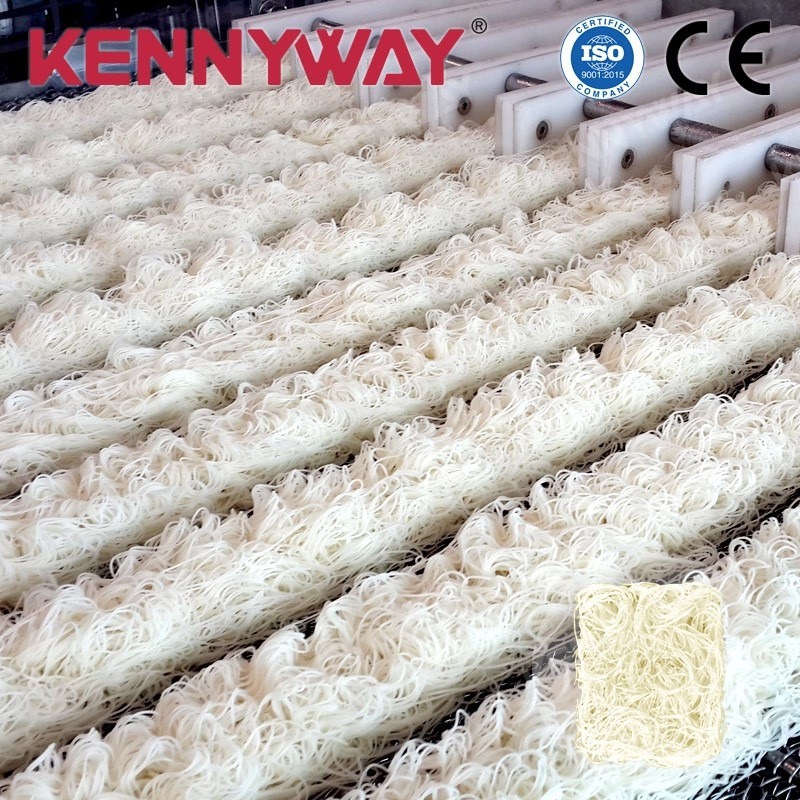
A flat rice noodle production line is a series of automated machines designed to streamline the process of making flat rice noodles—from dough mixing to steaming and cutting. This production line is highly specialized to ensure the noodles maintain their texture, elasticity, and smoothness throughout the production process.
The process typically includes the following stages:
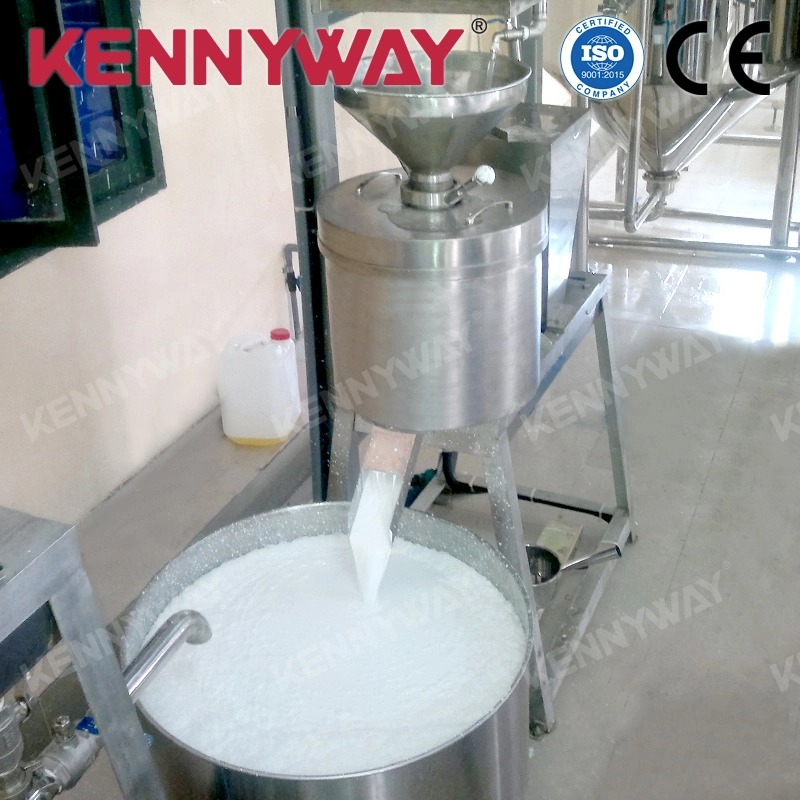
Mixing: High-quality rice flour is mixed with water and other ingredients to create a smooth, elastic dough.
Extruding: The dough is passed through rollers and an extruder to shape the flat noodles.
Steaming: The shaped noodles are steamed to achieve the perfect texture and flavor.
Cutting: The noodles are cut into uniform lengths and can be packaged for sale.
Packaging: Once cooled, the noodles are ready for packaging in various forms (fresh, dried, or frozen).
Each stage must be optimized to ensure the best quality noodles while reducing waste and increasing efficiency. With the right equipment and a well-designed flat rice noodle production line, businesses can produce large quantities of noodles with minimal human intervention.
Investing in equipment that stands the test of time is essential for any food manufacturing business. Here’s why choosing a flat rice noodle production line that lasts for two decades is vital:
A production line is a major investment, and purchasing equipment that offers durability reduces the need for constant repairs or replacements. With a machine built to last 20 years, your business will save on downtime, service costs, and the expense of upgrading equipment every few years.
The initial cost of a high-quality production line may be higher, but the savings over its long lifespan will significantly outweigh those expenses. Consider how much you’ll save in terms of labor, energy consumption, and maintenance. For a business that’s scaling up, such an investment becomes invaluable.
A flat rice noodle production line that lasts for decades is more likely to provide consistent and reliable performance throughout its lifetime. This means you won’t need to worry about unexpected breakdowns, ensuring smooth operations and uninterrupted production schedules.
Reliability translates into higher productivity and less wastage. Your production rate will be optimized, allowing you to meet customer demands more efficiently. Plus, reliable machinery ensures that every batch of noodles will have the same quality, maintaining consistency in texture, shape, and flavor.
The longevity of the equipment often reflects its quality. Machines designed to last for 20 years are typically built with superior materials and advanced technology. This results in better processing capabilities, allowing you to produce flat rice noodles that meet the highest standards of taste, texture, and appearance.
When your equipment is reliable and robust, you can focus on innovation, marketing, and expanding your product offerings, knowing that your core production system can handle increased output without compromising on quality.
In today’s competitive market, sustainability is more important than ever. A flat rice noodle production line that lasts for 20 years helps your business become more sustainable by reducing the frequency of equipment replacements, thereby decreasing your carbon footprint.
Additionally, many high-quality production lines are designed to optimize energy use, reducing waste, and minimizing environmental impact. A well-maintained, long-lasting machine also helps reduce the consumption of raw materials, making your manufacturing process more eco-friendly.
Not all production lines are created equal. To ensure a flat rice noodle production line lasts for 20 years or more, certain key features and qualities must be considered:
The longevity of any machine depends heavily on the materials used in its construction. Durable stainless steel components, high-grade rollers, and reliable heating elements are critical to the long-lasting performance of the production line. The frame, in particular, should be built to withstand high pressure and constant wear and tear.
Machines that integrate modern automation technology are more reliable and efficient. Look for production lines that feature advanced control systems, precise temperature regulation, and automated cleaning features. These innovations reduce human error and the need for frequent manual interventions, contributing to the overall durability of the equipment.
To ensure the longevity of your production line, it’s important to choose a model that includes easy maintenance systems. Routine maintenance is inevitable, but a well-designed system makes it easier and less costly to keep your equipment in peak condition.
Some production lines come with automated self-diagnostic tools that can predict when maintenance is needed. This minimizes downtime and allows you to address potential issues before they escalate.
A flat rice noodle production line that is tailored to your specific requirements will last longer. For instance, if your production needs high capacity, your machine should be built to handle larger volumes. If your noodle recipe requires special handling, a customized production line can be designed to ensure optimal results every time.
Working with a reputable manufacturer to design a system that meets your needs ensures that you get the most out of your investment.
Now that you understand the importance of investing in a high-quality, long-lasting flat rice noodle production line, it’s time to consider how to select the right one. Here are some key factors to consider:
Always choose a manufacturer with a proven track record in producing durable, efficient production lines. Look for customer reviews, case studies, and testimonials to gauge the manufacturer’s credibility. Ensure they offer reliable customer service and post-purchase support.
A high-quality flat rice noodle production line will require occasional maintenance and troubleshooting. It’s important to choose a supplier that offers comprehensive technical support and training for your team. This ensures that your operators can use the equipment efficiently and address minor issues without needing external help.
The energy consumption of the production line is a crucial factor in reducing operational costs. An energy-efficient production line will help lower your electricity bills and ensure a more sustainable production process.
A reputable manufacturer should offer a solid warranty and a robust after-sales service plan. This ensures that, in case of any technical issues or malfunctions, you can rely on the company for prompt repairs and solutions.
1. How much does a flat rice noodle production line cost?
The cost of a flat rice noodle production line depends on factors such as production capacity, customization, and technology. While entry-level models may cost less, investing in a high-quality, durable line can range from tens of thousands to hundreds of thousands of dollars.
2. How long does it take to set up a flat rice noodle production line?
The installation and setup time for a production line typically takes 2-4 weeks, depending on the complexity of the system and the specific requirements of the manufacturer. Be sure to factor in time for testing and employee training.
3. Can the production line be customized for different types of rice noodles?
Yes! Many manufacturers offer customization options to adjust the production line for various types of rice noodles, such as thick or thin noodles, and can also handle different flavors or textures based on your needs.
4. What type of maintenance does the production line require?
Routine maintenance for a flat rice noodle production line includes cleaning, lubrication, checking for wear and tear, and calibrating the machines to ensure precision. Regular maintenance helps extend the lifespan of the equipment and minimizes downtime.
5. How can I ensure the production line lasts 20 years?
To maximize the lifespan of your production line, ensure proper installation, follow the manufacturer’s maintenance guidelines, and invest in high-quality equipment. Regular servicing and using original spare parts will also help extend the life of your machine.


